
The First Amendment protects your right to peaceful assembly and free speech, principles that are particularly strong in California. These constitutional protections extend to all forms of peaceful demonstration, including marches, rallies, picketing, and other forms of expression.
California's state constitution provides additional protections that exceed federal minimums. Your right to participate in peaceful demonstrations is not absolute, however. Government entities can impose reasonable time, place, and manner restrictions on protests.
For instance, they can limit the duration of a protest, designate specific areas for protests, or require permits for large gatherings. These restrictions must be content-neutral and leave alternative avenues for communication.
California Constitution Article I, Section 2(a) says, "Every person may freely speak, write, and publish their sentiments on all subjects, being responsible for the abuse of this right. A law may not restrain or abridge liberty of speech or press."
Additionally, the First Amendment protects the freedom of religion, speech, the press, peaceful assembly, and petitioning the government.
ICE Protests
There has been a significant rise in protests across Southern California, most notably in response to increased activity by Immigration and Customs Enforcement (ICE) within the region.
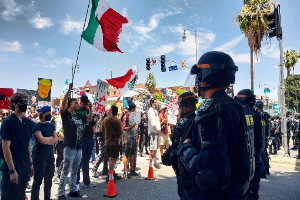
These protests have large crowds advocating for immigrant rights and social justice. However, there has been unrest, including property damage, violence, and other criminal activity, which has lead to arrests and criminal charges being filed against protesters to maintain order.
The increased activity by Immigration and Customs Enforcement (ICE) within the region has been a significant factor in the rise of these protests.
In spite of the circumstances of an arrest, you still have legal rights. Understanding these rights is important if you plan to participate in protests or encounter law enforcement during these events.
Whether you're a citizen or an immigrant, the law is on your side. These laws protect your right to protest peacefully and limit what law enforcement can legally do during your demonstration.
Understanding and knowing your rights as a protester is not just a legal obligation, but a powerful tool that empowers you to act lawfully and reduces the risk of unlawful arrest or rights violation. It's important to remember that engaging in violent or obstructive behavior can lead to criminal charges and potentially harm your cause.
You can peacefully protest government action, such as ICE raids or immigration policy enforcement. This knowledge and understanding, when respectfully claimed, is a commitment to your cause.
Key Takeaways
- The First Amendment of the United States Constitution guarantees your right to assemble peacefully.
- In California, the right to protest is protected under Article I, Section 2 of the California Constitution.
- Protesters have the right to film the police and should know what actions law enforcement can take during a protest.
- Protesters are not allowed to commit violence or obstruction of public safety, such as blocking traffic thoroughfares.
- If law enforcement declares an emergency due to unrest and calls for a curfew, you are required to disperse.
- Many California municipalities require permits for protests in public spaces, though the specific requirements vary.
What Are Protected Activities?
- March and demonstrate in traditional public forums.
- Carry signs and banners and distribute literature.
- Free speech expressing political opinions, even if critical of the government.
- Peaceful assembly in public spaces, such as sidewalks and government buildings.
- Record police activities and protest events from a reasonable distance.
- Wearing political clothing, armbands, buttons, or other symbolic items.
- Participating in quiet demonstrations, vigils, or other forms of political expression
- Incorporating prayer, religious symbols, or faith-based messages.
- Engaging in dramatic presentations, musical performances, or artistic displays.
- Attending protests as legal observers, journalists, or supporters without participation.
- Organizing, planning, and communicating with other protesters through social media.
- Using megaphones, bullhorns, or sound systems in accordance with local noise ordinances.
- Peacefully expressing opposing viewpoints near other demonstrations.
What Are a Protester's Legal Rights?
As a protester, you are safeguarded by legal rights that can provide reassurance and confidence, especially in situations involving law enforcement:
- Right to Remain Silent: If stopped or detained by law enforcement, you are not obligated to answer questions. Politely state, "I am exercising my right to remain silent." Avoid volunteering unnecessary information.
- Right to Refuse a Search: Law enforcement cannot search you, your belongings, or your property without a warrant or probable cause, which means they must have a reasonable basis to believe a crime is being or has been committed.
- Right to Record: You have the legal right to record police officers in public spaces as long as you do not interfere with their duties. Video recordings can be powerful evidence in cases where police misconduct is alleged.
- Right to an Attorney: If you are detained or arrested, you have the right to legal representation. Clearly say "I am invoking my right to an attorney," and avoid answering questions until your lawyer is present.
- Right Against Unlawful Detainment: Police must have reasonable suspicion to stop or detain you. If you believe you are being unlawfully detained, do not resist. Instead, cooperate calmly and document the situation for review later.
What Should You Do If Arrested?
Arrests during protests can be intimidating, but it's crucial to remain calm and follow these strategies to protect your rights and build a strong defense. Your calm demeanor can reassure you and others that you are prepared for such situations.
Even if you believe the arrest is unjust, do not resist physically or verbally. Resisting can lead to additional charges, such as obstruction or resisting arrest. Reiterate that you are exercising your right to remain silent and that you are requesting legal counsel.
Ask for an attorney as soon as it becomes clear you are being detained. Be aware of whom to contact in case of an arrest. Photograph any injuries and, if possible, record the incident. You have the right to record police in public spaces as long as you do not interfere with their duties.
If possible, note the badge numbers or other identifiers of the officers involved. This information can be useful in legal proceedings. Avoid reaching for your phone or making sudden movements without first announcing these actions to the officers detaining you, as they may be misinterpreted as resistance.
Before attending a protest, share your plans with a friend or family member and agree on a communication system. This connection can provide you with the support and reassurance you need. For more information and legal support, contact our California criminal defense lawyers at the Hedding Law Firm, located in Los Angeles. Remember, the law is on your side.
Related Content:


